

Header - Left Links


THE RECIPE: ESPRESSO MARTINI


THE RECIPE: MARGARITA


Recette du Negroni : la version bar


The recipe: The French martini
THE RECIPE: ESPRESSO MARTINI
THE RECIPE: MARGARITA

THE RECIPE: THE PORNSTAR MARTINI

THE RECIPE: THE CAIPIRINHA

THE RECIPE: HUGO SPRITZ

A staple of Iberian culture and summer gatherings, Sangria transcends the simple definition of a mixture of wine and fruit. It is a codified preparation where each component plays a crucial role. However, its apparent simplicity often obscures a major technical challenge: the rigorous selection of the base wine.
The choice between an everyday wine and a more structured vintage, or between a dry white and a sweet wine, has a significant impact on the final result. The success of this preparation hinges on a precise balance between the citrus acidity, the glycemic index, and the wine's tannic structure. An inappropriate selection can lead to excessive bitterness in the red version or overly sweet flavors in the white.
This technical guide details the raw material selection criteria and outlines the maceration protocols used by professionals. The aim is to enable precise control of dosages for optimal organoleptic results in your future services.
Choosing the wine: The keystone of Sangria
A common misconception is that adding sugar and fruit can compensate for the shortcomings of a mediocre wine. In reality, the wine's structure remains the foundation of its preparation. A wine with excessive acidity or a lack of ripeness will have its flaws accentuated by cold temperatures, and no amount of sugar will restore perfect harmony.
Conversely, using a grand cru wine is not justified, as the complexity of its bouquet would be overshadowed by the intense aromas of citrus and spices. Success, therefore, lies in selecting a technically flawless wine, chosen specifically for its aromatic profile and its ability to blend without being overpowered.
For Red Sangria: Beware of tannins!
Red Sangria is the traditional version, the one found in Seville's tapas bars. To make it successfully, you need to understand a simple chemical reaction: cold hardens the tannins. If you choose a very tannic red wine (like a young Bordeaux aged in oak barrels or a powerful Cabernet Sauvignon), serving it ice-cold will make the drink harsh and astringent on the palate.
The ideal profile: Look for a young, fruity and supple red wine.
- The king of grape varieties: Grenache (Garnacha) and Rempanillo are the traditional Spanish choices. They bring notes of red fruit (strawberry, raspberry) and spices that pair perfectly with citrus. In France, a Merlot from Languedoc or a light Côtes-du-Rhône will work wonders.
- The mistake to avoid: Wines that are too oaky or aged. The vanilla and oak notes from the barrel often clash with the acidity of lemon and orange, creating an unpleasant metallic taste.
For White Sangria: Freshness and acidity
White sangria is gaining popularity for its lighter, more floral character. The danger here isn't tannins, but a lack of depth. If the wine is too flat, the drink will resemble watered-down syrup.
The ideal profile: A dry white wine with a nice liveliness.
- The king of grape varieties: Sauvignon Blanc or Verdejo are perfect for their citrus and green apple notes. An unoaked Chardonnay can also work to add a touch of roundness. If you prefer very sweet versions, you can try a semi-dry wine, but be careful to drastically reduce the amount of sugar added to the recipe.
- The festive option: Sangria with Cava (or Prosecco). The addition of bubbles gives it an incredible festive texture, but be careful: the bubbles must be added at the very last moment, otherwise they will disappear during maceration.
Maceration and Ingredients: The Science of Balance
Once the sangria wine has been carefully selected, the magic happens during the crucial maceration stage. This is the precise moment when the flavors meld together to create a new taste identity. It's not a simple infusion; it's an osmosis between the wine's alcohol, which extracts the essential oils from the peels, and the fruit juice, which softens and sweetens the wine.
The harmony of fruits and spices
The use of citrus fruits is essential, but their maceration should not exceed 24 hours. Beyond that, the albedo (the white part of the peel) releases a bitterness that disrupts the wine's balance. Adding stone fruits, such as peaches or apricots, helps to correct this acidity, contributing a velvety texture and natural sweetness.
For spices, the use of whole cinnamon sticks and vanilla pods is essential. Powdered spices should be avoided, as they cloud the liquid and create an unpleasant grainy residue.
In the white version, opt for delicate fruits like melon or strawberry, complemented by lime and fresh mint to accentuate the liveliness of the preparation.
The role of the "Fortifier" (The Kicker)
To strengthen the body of Sangria, whose base wine typically has an alcohol content between 12% and 13%, the addition of a spirit is a common practice. This addition, sometimes referred to as a "fortifier," helps to structure the mixture and increase its aromatic complexity.
For the red version, the use of brandy, cognac, or an orange peel liqueur (like Cointreau) adds depth and a touch of warmth on the palate. For the white version, the choice would lean more towards a gin with botanical notes, a neutral vodka, or an elderflower liqueur. These options help stabilize the floral balance without weighing down the color or the flavor profile with woody notes.
Patience is a virtue: Perfect timing
Immediate preparation of Sangria is not recommended if true aromatic harmony is desired. Prolonged resting in the refrigerator is essential to allow the wine, fruit, and spices to meld together.
A 24-hour cycle is the optimal standard. This timeframe allows for the complete diffusion of the essential oils and the woody aromas of cinnamon. However, the carbonating agents (sparkling water or lemonade) should only be added at the time of serving. Adding them prematurely would result in a complete loss of carbonation, compromising the drink's freshness and vibrancy.
The Art of Service: Equipment and Presentation
You've selected the right wine, followed the recipe to the letter, and the maceration is complete. Now comes the final step: serving. Sangria is the ultimate sharing drink, and the equipment you use greatly contributes to the festive atmosphere and your guests' perception of quality.
The king of containers: Punch bowl or fountain?
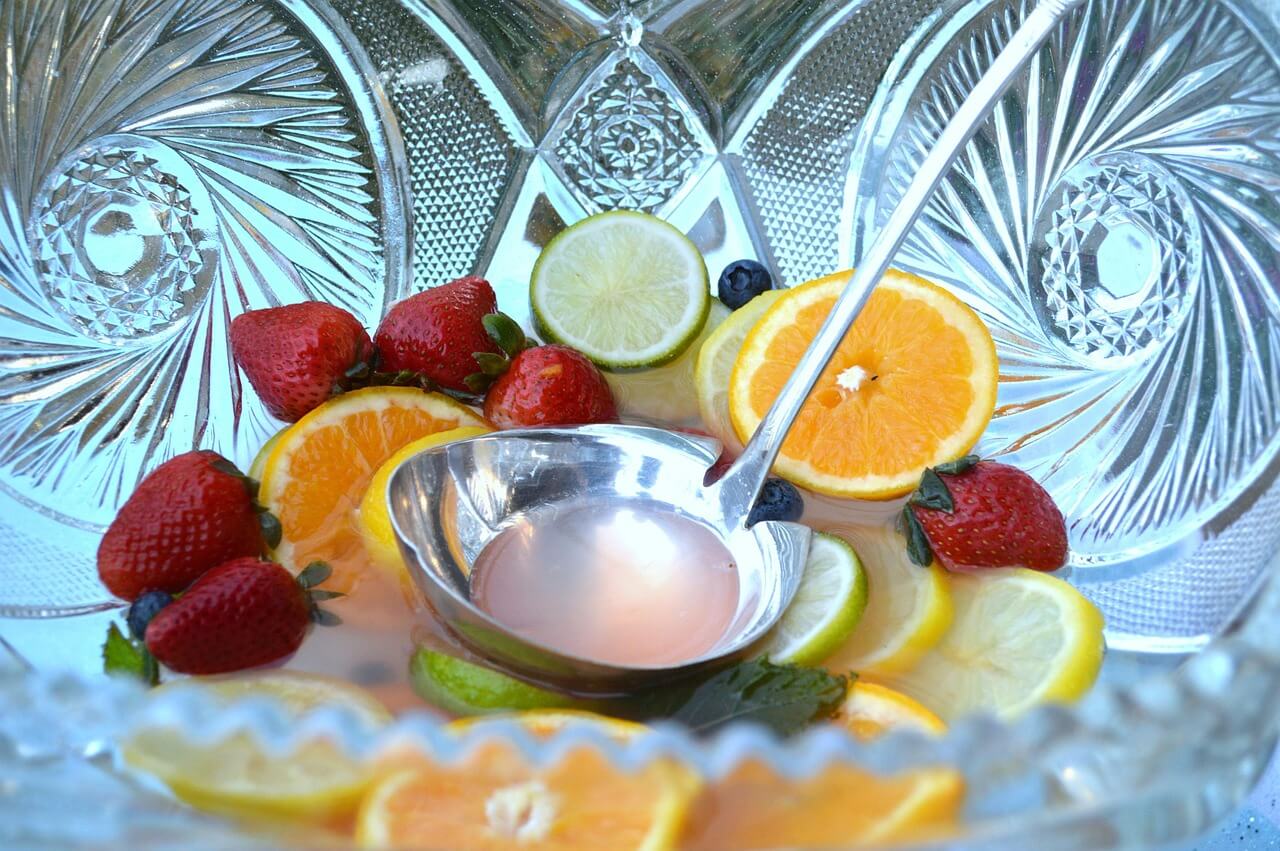
Serving Sangria requires a transparent container to showcase the visual appeal of the fruit and the color of the wine. A glass punch bowl remains the traditional solution. It encourages interaction during serving but necessitates the use of a long-handled ladle to extract the liquid without disturbing the fruit.
The beverage fountain offers a modern and hygienic alternative, particularly suited to large receptions or outdoor events. It allows for precise service while protecting the contents from the elements.
However, the use of a tap dispenser imposes a technical constraint: the fruit cut must be wide enough ( quarters or thick slices ) to avoid any obstruction of the dispensing system.
Glassware service: Ice cream and decoration
Sangria must be served at a low temperature. However, adding ice directly to the serving container is not recommended, as melting ice dilutes the wine and alters its aromatic balance. To preserve the integrity of the recipe, it is advisable to place the ice directly into individual glasses or use a double-walled ice pack.
The choice of glassware is equally important. Using a large balloon glass (like a "Piscine" glass) is recommended. This shape not only allows for a generous amount of ice and fruit, but its wide opening also enhances the aromas. Guests can thus fully appreciate the nuances of citrus and spices, optimizing the overall sensory experience.
Go for it!
The quality of a Sangria doesn't depend on a large financial investment, but on the technical consistency of its preparation. Success rests on a precise three-pronged approach: a fruity wine base with low tannins, a 24-hour maceration process, and careful presentation in a transparent container.
Using appropriate serving accessories and elegant glassware elevates this traditional preparation to the standards of contemporary mixology. Whether presented in red for its depth or in white for its vibrancy, mastering these parameters guarantees a balanced tasting experience, true to the demands of a sophisticated gathering.
Sur la même thématique

Recipes: The 10 essential cocktails to master

5 tips for making successful cocktails every time

plastic champagne flutes


